Welcome to Bangladesh Medical University
The Freedom Fighter Medical Cell Provides Medical Services Under the Management of the Director (Hospital) Of Bangladesh Medical University from The Allocation Received in Accordance with the Circulars and Gazettes Issued by the Ministry of Liberation War Affairs, Government of The People's Republic of Bangladesh.

Additional Director (Hospital) and Member-Secretary, Committee for Quality and Cost Verification of Medical Services for Freedom Fighters Medical Cell, Bangladesh Medical University, Shahbag, Dhaka- 1000, Bangladesh.
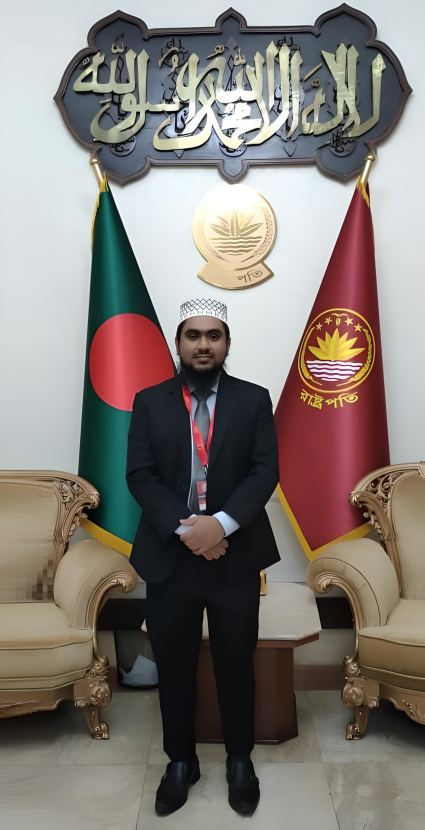
Medical Officer & In-Charge Freedom Fighter Medical Cell, Director (Hospital) Office, Bangladesh Medical University, Shahbag, Dhaka- 1000, Bangladesh
The Great Liberation War (1971)
The role of the freedom fighters in the glorious great liberation war of Bangladesh was unique and exemplary. They sacrificed their lives to break the chains of subjugation and establish an independent state.
The main roles of the freedom fighters during the liberation war are described in detail below:-
1. Armed resistance and frontal warfare:
• Initial resistance: After that terrible dark night of March 25, Bengali members of the military and paramilitary forces launched the first armed resistance.
• Guerrilla warfare: Along with the regular military and paramilitary forces, ordinary citizens launched surprise guerrilla attacks on the enemy under the 'crack platoons' or various regional forces.
• Frontal warfare: Despite very basic training and limited supplies, the freedom fighters fought heroically in numerous frontal battles against the heavily armed Pakistani occupation forces.
2. Diversity of participants:
• Professionals and students: University students and the youth served as the driving force of the war.
• Peasants and working class: The majority of the members of the Mukti Bahini were from rural, working-class and peasant families.
• Contribution of women: Women fought directly with weapons, ran camps, gathered intelligence and cared for the wounded.
3. Strategic and psychological victories:
• Naval commando operations: Through 'Operation Jackpot', naval commandos disrupted the enemy's supply lines by destroying Pakistani waterways and ports.
• Swadhin Bangla Betar Kendra: Songs and poems broadcast by cultural warriors kept the morale of the freedom fighters high and inspired the public.
• International public opinion: Expatriate Bengalis worked tirelessly abroad to garner international support for Bangladesh.
4. Ultimate Sacrifice:
• Supreme Sacrifice: The country achieved independence at the cost of the lives of three lakh martyrs and the bravery of the warriors who received the Bir Shreshtha and Bir Uttam medals.
• Loss of life and property: To ensure independence, warriors risked their families, homes and personal safety and went to war.